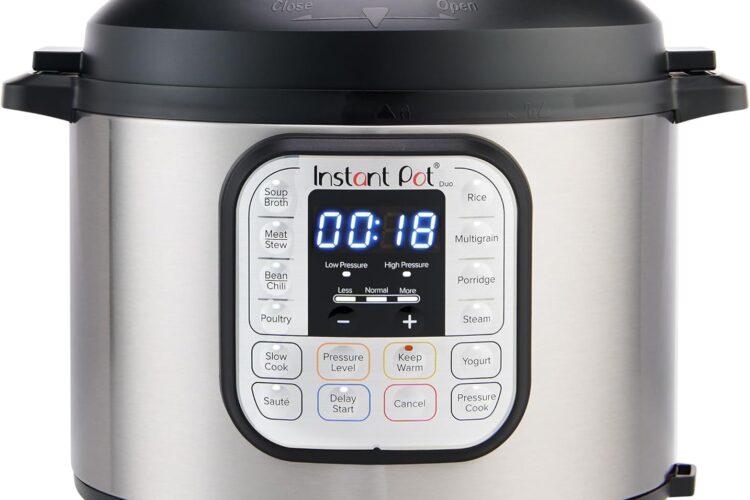
If you’ve spent any time browsing kitchen appliances online or walking through a home goods store in the past few years, chances are you’ve come across the Instant Pot. It’s one of those products that quietly became a household staple without much fanfare — not through flashy advertising, but through word of mouth and genuine usefulness. The Instant Pot Duo 7-in-1 in the 8-quart size is one of the more popular configurations in the lineup, and for good reason. It covers a lot of ground in a single appliance, which makes it worth understanding properly before you decide whether it fits into your kitchen.
This article breaks down what the Instant Pot Duo actually does, how people typically use it, who it tends to work well for, and what to keep in mind before making a decision. No exaggerated claims, no sales language — just practical information laid out clearly.
What Is the Instant Pot Duo 7-in-1?
The Instant Pot Duo is an electric multi-cooker. The “7-in-1” in the name refers to the seven cooking functions it covers: pressure cooking, slow cooking, rice cooking, steaming, sautéing, yogurt making, and warming. Some versions also include a sterilizing function, which adds a layer of versatility for certain household tasks beyond everyday cooking.
The 8-quart capacity is the largest of the standard Instant Pot Duo sizes, making it well suited for larger households, batch cooking, or anyone who likes to prepare meals in advance and store them for the week. To put the size in perspective, an 8-quart pot can comfortably handle a whole chicken, a large rack of ribs, or a pot of soup that will feed six to eight people without any issue.
It’s worth noting that the Instant Pot brand has been around long enough to have a well-developed ecosystem around it — there’s a dedicated app, a large online community, and literally hundreds of cookbooks written specifically for Instant Pot recipes. That support structure is part of what makes it accessible to people who are trying electric pressure cooking for the first time.
Key Features Worth Understanding
Before getting into how the appliance is used, it helps to understand what you’re actually working with from a features perspective.
Stainless Steel Inner Pot
The inner cooking pot is made from stainless steel, which matters more than it might seem at first glance. Stainless steel is more durable than coated non-stick surfaces, it doesn’t react with acidic foods like tomatoes or citrus-based dishes, and it’s generally considered easier to maintain over the long term. It’s also dishwasher safe, which simplifies cleanup considerably.
The inner pot has measurement markings on the inside, which is a small but useful detail — it makes it easier to add liquids without needing a separate measuring cup every single time.
Multiple Cooking Functions in One Unit
The pressure cooking function is the one most people associate with the Instant Pot, and it’s where the appliance tends to get the most attention. Pressure cooking uses steam trapped inside a sealed environment to raise the cooking temperature above the normal boiling point of water, which dramatically speeds up cooking times. Things like dried beans, tough cuts of meat, or whole grains that might take an hour or more on the stovetop can be done in a fraction of the time.
The slow cooker function works in the opposite direction — it cooks at a lower temperature over a longer period, which is ideal for dishes like pulled pork, beef stew, or chili where the extended cooking time develops flavor and breaks down tougher textures gradually.
The sauté function allows you to brown ingredients directly in the pot before pressure cooking or slow cooking, which is a feature that tends to be appreciated more the longer you use the appliance. Being able to sear meat or soften onions without transferring between pots saves time and reduces dishes.
The rice cooker function handles white rice, brown rice, and similar grains with automated timing so you don’t have to watch it. The steamer function works for vegetables, fish, and dumplings using a steam basket. Yogurt making is a more niche function but one that home fermentation enthusiasts tend to use regularly.
The warming function keeps food at a safe serving temperature after cooking is complete — useful when meals are ready before everyone is at the table.
Safety Mechanisms
Electric pressure cookers understandably make some people nervous, particularly those who have older memories of stovetop pressure cookers. The Instant Pot Duo includes several built-in safety features: a lid safety lock that prevents the lid from being opened while the pot is still under pressure, overheat protection, a pressure regulator, and a steam release valve. These aren’t just marketing bullet points — they’re engineering features that address the common concerns people have about pressure cooking at home.
The App and Recipe Resources
The Instant Pot app includes a large library of recipes specifically designed for the appliance, with timing and settings already factored in. For anyone new to pressure cooking, having a reference point for how long different ingredients take is genuinely helpful in the beginning. The recipes span a wide range of cuisines and dietary preferences, so there’s usually something applicable regardless of what you’re making.
Beyond the official app, there is a large online community of Instant Pot users who share recipes, tips, and troubleshooting advice across various forums and social platforms. This community aspect is something that tends to come up frequently in discussions about the brand — it makes the learning curve feel less steep.
How the Instant Pot Duo Gets Used Day to Day
Understanding the features is one thing. Understanding how people actually work this appliance into their routines is another.
Weeknight Cooking
One of the most common use cases is simply getting dinner on the table faster on busy weeknights. Dishes like chicken and rice, lentil soup, pasta, and braised meats that might otherwise require planning ahead can be made in under an hour — sometimes significantly under an hour — using the pressure cooking function. The sealed environment also means less mess on the stovetop and less monitoring compared to cooking on an open burner.
Meal Prepping
The 8-quart size is particularly well suited for batch cooking. Cooking a large quantity of grains, beans, or protein at once and portioning it out for the week is a common approach for people trying to eat at home more consistently without spending hours in the kitchen every day. A big batch of chickpeas, for example, can go into salads, soups, and wraps across multiple meals.
Cooking Dried Legumes
This is one of the areas where the pressure cooker function genuinely changes things. Dried beans typically require soaking overnight and then simmering for an extended period. In the Instant Pot, unsoaked dried beans can be cooked in around 30 to 45 minutes depending on the variety. For anyone who cooks legumes regularly, this alone tends to justify the appliance.
Soups, Stews, and Braises
Dishes that benefit from long, slow cooking — beef bourguignon, bone broth, lamb shanks, short ribs — can be made much faster using pressure cooking while still achieving similar results in terms of tenderness and depth of flavor. The sauté function lets you build flavor in the same pot by browning the meat and softening aromatics before sealing everything up and pressure cooking.
Yogurt Making
The yogurt function is one that surprises people who didn’t expect to use it. It maintains a precise low temperature over several hours that allows the yogurt cultures to ferment properly. Homemade yogurt made this way can be more economical than store-bought and allows control over ingredients, fat content, and sugar levels.
Sterilizing
The sterilizing function, available on certain models including this one, can be used for baby bottles, small jars, and similar items. It’s a useful addition for parents of young infants or anyone who does home canning or fermenting.
Who Tends to Find the Instant Pot Duo Useful
No appliance is right for everyone, but there are certain situations and lifestyles where the Instant Pot Duo tends to fit particularly well.
Larger Households
The 8-quart capacity is the right size for families of four or more, especially if those families tend to eat together regularly. Cooking smaller portions in a larger pot doesn’t cause problems, but the reverse — trying to fit a large meal into a smaller pot — is where you run into limitations. If your household routinely cooks for five or six people, the 8-quart version makes more practical sense than the smaller 6-quart.
People New to Pressure Cooking
The Instant Pot Duo is often recommended as an entry point into electric pressure cooking because the interface is relatively intuitive, the safety features are well designed, and the support ecosystem is large. The combination of a guided app and an extensive community means that getting started doesn’t require deep prior knowledge.
Home Cooks Who Meal Prep
If Sunday afternoons mean cooking large quantities of food for the week ahead, having an 8-quart multi-cooker changes the efficiency of that process significantly. Large batches of soup, grains, beans, or braised protein can be prepared in a single session with less active time than stovetop or oven cooking would require.
Budget-Conscious Households
Cheaper cuts of meat — the ones that tend to be tougher and less desirable when prepared with quick cooking methods — become genuinely enjoyable when pressure cooked properly. Chuck roast, lamb shoulder, pork neck, and similar cuts are transformed by the pressure cooking process. For households watching food spending, this opens up a wider range of affordable ingredients.
People With Limited Kitchen Space
Having one appliance that handles seven functions reduces the need for separate dedicated devices. A household that might otherwise need a rice cooker, a slow cooker, and a steamer can potentially consolidate all of those into a single unit, freeing up cabinet and counter space.
Things to Consider Before Getting One
Being informed means looking at the practical considerations alongside the features.
Counter and Storage Space
The 8-quart Instant Pot is a sizeable appliance. Before purchasing, it’s worth thinking honestly about where it will live. If it ends up stored in a cabinet that’s difficult to access, it tends to get used less frequently. These appliances work best when they’re convenient to reach.
The Learning Curve
Most new users report that pressure cooking feels unfamiliar at first. The sealed environment, the pressure release process, and the fact that you can’t check on the food mid-cook the way you would on a stovetop all require a small adjustment period. The first few uses might feel uncertain, but most people find that after a handful of meals, the process becomes second nature.
Pressure Release Time
One detail that sometimes catches people off guard is that cooking time in a pressure cooker doesn’t tell the whole story. There’s also time required for the pot to come up to pressure before cooking actually begins, and then time for the pressure to release afterward. For a full 8-quart pot with a lot of liquid, this can add 20 to 30 minutes to the total process. This doesn’t diminish the utility of the appliance, but it’s worth understanding so that expectations are accurate.
Not Every Dish Benefits From Pressure Cooking
Pressure cooking works brilliantly for certain types of food — tough cuts, legumes, grains, soups, stocks. It’s less ideal for delicate proteins like fish, for anything that needs a crispy exterior, or for dishes where you want to monitor and adjust seasoning throughout the cooking process. Understanding where pressure cooking excels and where it doesn’t helps you use the appliance more effectively.
Capacity Versus Household Size
For one or two people, the 8-quart may be larger than necessary. The 6-quart version handles most everyday cooking tasks for smaller households without taking up as much space. The 8-quart is most practical when cooking for larger groups or when the goal is regular batch cooking.
How Multi-Cookers Compare as a General Category
Without drawing direct comparisons to competing brands, it’s useful to understand how the electric multi-cooker category as a whole differs from other kitchen appliances.
Multi-Cooker vs. Slow Cooker
A traditional slow cooker does one thing — it cooks low and slow over several hours. A multi-cooker like the Instant Pot does that too, but also adds the speed of pressure cooking, the searing capability of sauté mode, and several other functions. For anyone who already owns and uses a slow cooker regularly, the transition to a multi-cooker tends to be smooth because many slow cooker recipes can be adapted to the new appliance.
Multi-Cooker vs. Stovetop Pressure Cooker
Stovetop pressure cookers typically reach higher pressures than electric models, which means slightly faster cooking times in some cases. However, they require more active monitoring and don’t have the programmable features, automatic pressure release options, or safety redundancies of electric models. For home cooks who are not already experienced with pressure cooking, the electric version tends to be easier to start with.
Multi-Cooker vs. Dedicated Rice Cooker
A high-end dedicated rice cooker will often produce more nuanced results than the rice function in a multi-cooker, particularly for specific rice varieties. However, for most households cooking everyday white or brown rice, the Instant Pot’s rice function performs well enough that a separate device isn’t necessary.
Multi-Cooker vs. Air Fryer
This comparison comes up frequently because both are popular countertop appliances. They serve largely different purposes. A multi-cooker excels at moist cooking — braising, steaming, pressure cooking, slow cooking. An air fryer is built around dry, high-heat cooking that produces crispy textures. Some households find that the two appliances complement each other well. Others find that one or the other handles most of their cooking needs. There are also combination appliances that attempt to do both, though these tend to involve trade-offs on either side.
Frequently Asked Questions
Is the 8-quart too big for everyday use?
It depends on household size and cooking habits. For families of four or more, or for anyone who regularly cooks in large batches, the 8-quart tends to be the right call. For one or two people who cook moderate-sized meals, the 6-quart is often a better fit. That said, cooking smaller portions in a larger pot works fine — the pot doesn’t need to be full to function properly.
How long does it actually take to cook a meal?
This varies widely based on what you’re making. A quick vegetable dish might be done in ten to fifteen minutes of actual pressure cooking time. Something like a beef stew or dried beans will take longer. Factor in the time for the pot to pressurize (usually ten to fifteen minutes for a full pot) and the pressure release afterward, and a complete meal typically takes between 30 minutes and an hour from start to finish. That’s still faster than many stovetop or oven alternatives for the same types of dishes.
Is it difficult to clean?
The inner pot is dishwasher safe, which takes care of the main component. The lid requires a bit more attention — the sealing ring in particular should be removed and washed separately, as it can absorb food odors over time. The exterior of the appliance should only be wiped down and never submerged. Overall, most users find cleanup manageable, especially compared to cleaning multiple pots and pans after a stovetop meal.
Can it replace a slow cooker completely?
For most everyday slow cooking purposes, yes. The slow cooker function works similarly to a dedicated slow cooker. However, some experienced slow cooker users note that the sealed environment of the Instant Pot means less evaporation, which can result in more liquid at the end of a recipe than a traditional slow cooker would produce. Recipes may need minor adjustments to account for this.
Is the sealing ring important?
Yes, and it’s worth understanding. The silicone sealing ring inside the lid creates the airtight seal that allows pressure to build. If it’s damaged, warped, or not seated correctly, the pot won’t pressurize properly. It’s also the component most likely to absorb food odors over time. Many regular users keep a spare ring or use separate rings for savory and sweet dishes to prevent flavor transfer.
Does it work for canning?
Instant Pot does not recommend using the Duo series for home pressure canning. The USDA and food safety organizations have noted that electric pressure cookers may not reach or maintain the temperatures required for safe pressure canning of low-acid foods. This is an important distinction for anyone interested in food preservation — for canning purposes, a dedicated stovetop pressure canner remains the appropriate tool.
What happens if the power goes out mid-cook?
If the appliance loses power during a pressure cooking cycle, the contents remain sealed under pressure until the pressure naturally dissipates. Once the pot is depressurized, it can be opened safely. The food may or may not be fully cooked depending on how far along the cycle was, but from a safety standpoint the situation is manageable.
A Few Practical Tips for Getting Started
For anyone just beginning with the Instant Pot, a few things tend to make the first experiences go more smoothly.
Start with a simple dish — something like hard-boiled eggs, rice, or a basic soup — rather than jumping immediately into a complex recipe. This gives you a chance to understand how the pressurization process works and what to expect at each stage.
Always make sure there is enough liquid in the pot before pressure cooking. The steam generated from that liquid is what creates the pressure. Insufficient liquid is one of the most common causes of the “burn” warning that new users sometimes encounter.
Read through the manual, particularly the section on the steam release valve and the pressure release methods. Understanding the difference between a quick release and a natural pressure release — and knowing when each is appropriate — makes a real difference in results.
Give yourself time to adapt. The first few meals might feel less intuitive than cooking on a stovetop simply because it’s a different process. Most people find that after a few uses, it becomes routine.
Final Thoughts
The Instant Pot Duo 7-in-1 in the 8-quart size is a practical, well-designed appliance that covers a lot of ground. It’s not a perfect solution for every cooking style or every household, but for people who cook regularly, prepare food in larger quantities, or want to spend less active time in the kitchen without sacrificing home-cooked meals, it represents a genuinely useful addition to the kitchen.
The combination of functions, the size, the safety design, and the support ecosystem make it one of the more accessible entry points into multi-cooker cooking. Whether you’re drawn to it primarily for the pressure cooking speed, the convenience of having multiple functions in one appliance, or the practical benefits of batch cooking, it’s worth understanding fully before making a decision.