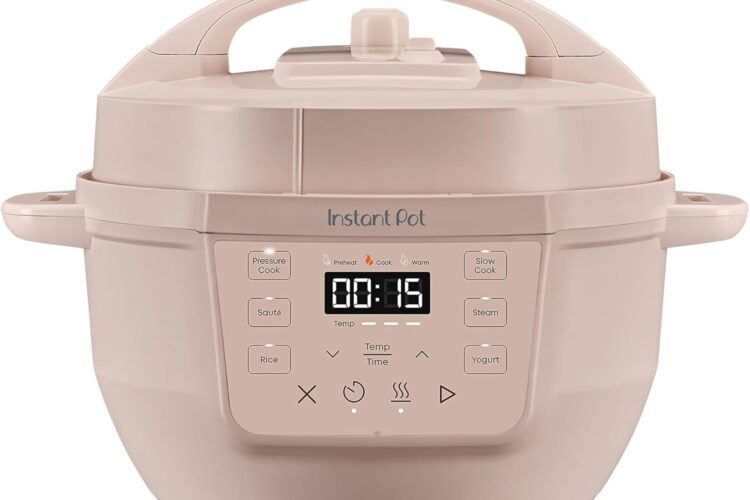
The Instant Pot RIO Mini 4-Quart: A Practical Look at What It Does and Who It’s Really For
If you’ve spent any time browsing kitchen appliances online, you’ve probably come across the Instant Pot brand more than once. It’s become something of a household name in the multi-cooker space, and for good reason. Over the years, the lineup has expanded to cover different sizes, feature sets, and price points. The RIO Mini, sitting at 4 quarts and finished in a soft rosewater color, is one of the more compact options in the current range — and it raises an interesting question worth exploring: does a smaller multi-cooker actually make sense for everyday cooking, and what can you realistically do with one?
This article takes a detailed look at the Instant Pot 4QT RIO Mini 7-in-1 Multi-Cooker — what it offers, how it’s designed to be used, who is likely to get the most value from it, and what to think about before deciding whether it fits your kitchen and lifestyle.
What Is the Instant Pot RIO Mini?
The RIO Mini is part of Instant Pot’s broader RIO series, which sits in the more accessible, entry-friendly tier of their product lineup. The “Mini” designation refers to the 4-quart capacity, which is smaller than the more commonly seen 6-quart models that tend to dominate kitchen counters in larger households.
The 7-in-1 label reflects the number of cooking functions the appliance is designed to handle: pressure cooking, slow cooking, sautéing, steaming, rice making, yogurt preparation, and warming. The rosewater finish is a design choice that leans into a softer, more modern aesthetic — a subtle departure from the stainless steel and black finishes that have historically dominated the appliance market.
Breaking Down the Key Features
Understanding what a kitchen appliance actually offers requires looking past the marketing labels and focusing on what each feature means in practical terms. Here’s a closer look at what the RIO Mini brings to the table.
4-Quart Capacity
Four quarts is a meaningful size distinction. It’s not tiny — you can still prepare full meals — but it does mean you’re working with about two-thirds the volume of a standard 6-quart model. For one or two people, this is often more than sufficient. For families of four or more cooking large batches, it will feel limiting.
The benefit of a smaller vessel is that it heats up faster, pressurizes more quickly, and takes up less counter and cabinet space. In compact kitchens, that last point alone can be the deciding factor.
Pressure Cooking
Pressure cooking remains the core function that built Instant Pot’s reputation. By sealing the cooking environment and raising the internal pressure, the appliance is able to reach temperatures above the normal boiling point of water. The result is that foods cook faster — sometimes dramatically so. Dried beans that would take over an hour on the stovetop can be ready in a fraction of the time. Tough cuts of meat that typically require hours of slow braising can be made tender in under an hour.
This function is particularly useful for people who want home-cooked meals on weeknights but don’t have the luxury of long cooking windows.
Slow Cooking
On the opposite end of the speed spectrum, the slow cooker function allows for low-and-slow cooking over several hours. This mimics what a dedicated slow cooker does — breaking down connective tissue in meat, allowing flavors to meld gradually, and producing dishes like stews, soups, and pulled proteins that benefit from time rather than heat intensity.
Having both pressure cooking and slow cooking in one appliance gives users flexibility depending on how their day is structured. Planning ahead? Set it to slow cook in the morning. Short on time in the evening? Switch to pressure cooking.
Sauté Function
One of the more underrated features on multi-cookers in general is the sauté setting, and it’s present here as well. It essentially turns the inner pot into a skillet, allowing you to brown meat, soften aromatics like onions and garlic, or reduce a sauce directly in the unit — before or after the main cooking cycle.
This matters because building flavor through browning is a step many recipes rely on. Without a sauté function, you would need to do this in a separate pan on the stovetop, which defeats some of the convenience of a multi-cooker. Being able to do it all in one pot is a genuine quality-of-life improvement.
Steaming
The steam function is straightforward and useful for vegetables, fish, dumplings, and similar items that benefit from moist heat without being submerged. Most Instant Pot models come with a steam rack or trivet that allows food to sit above the water level while still being surrounded by steam.
This is a healthier cooking method for vegetables in particular, as it preserves more nutrients compared to boiling, and requires no added fat.
Rice Making
While dedicated rice cookers are still popular, having a rice function integrated into a multi-cooker removes the need for an extra appliance. The RIO Mini can handle white rice, and depending on settings and adjustments, various other grains as well. For small households, being able to make a single or double serving of rice without dragging out a large pot is a practical convenience.
Yogurt Making
This is a feature that surprises many people when they first encounter it on a multi-cooker. The yogurt function maintains a precise, low temperature over an extended period — typically around 110°F or so — which is the range that allows active bacterial cultures to ferment milk into yogurt.
For people who make yogurt at home regularly, this eliminates the need for a separate yogurt maker or the inconvenience of improvising with an oven or warm water bath. It’s a niche function, certainly, but one that enthusiastic home cooks tend to appreciate more than expected once they start using it.
Warming Function
The keep-warm setting is simple but genuinely useful. After a cook cycle completes, the appliance can automatically shift into warming mode, holding the food at a safe serving temperature without continuing to cook it. This is helpful when meals are ready before everyone sits down, or when you want to prepare something earlier in the day and serve it later.
Practical Uses and Cooking Ideas
Features only mean so much in isolation. What matters is how they translate into actual meals. Here’s a sense of what the RIO Mini can realistically be used for on a regular basis.
Weeknight Dinners
The pressure cooker function shines here. Dishes like chicken and rice, lentil soup, chili, pasta in tomato sauce, and braised short ribs can all be made in the RIO Mini with reasonable cook times. Many pressure cooker recipes for a 6-quart model can be adapted to a 4-quart by simply halving the quantities.
Batch Cooking for One or Two
For individuals or couples who like to meal prep, this size is actually well-suited to making a few days’ worth of grains, legumes, or protein at once without ending up with enormous quantities that go to waste.
Soups and Stews
This is arguably where multi-cookers perform most reliably. The sealed environment keeps moisture in, and the pressure or slow cook function produces deeply flavored broths and tender ingredients with minimal active effort.
Side Dishes
Steamed vegetables, rice, or even steamed potatoes can be made quickly as a side while the main dish is being prepared by other means. Having this option reduces stovetop congestion during busy cooking moments.
Healthy Breakfasts
Steel-cut oats cooked under pressure in the morning, or even overnight oats prepared using the slow cooker or warm function the night before, are popular uses for multi-cookers that often get overlooked. The yogurt function adds another breakfast-oriented option.
Who Is This Appliance Likely Suited For?
Not every kitchen tool is for everyone, and the RIO Mini is no exception. Thinking about who is most likely to find it genuinely useful helps frame whether it makes sense for a particular situation.
Individuals Living Alone or Couples
This is probably the most natural fit for the 4-quart size. Cooking for one or two people doesn’t require the larger capacity of a 6-quart unit, and the RIO Mini’s size means it’s easier to store and faster to use. Portions are realistic, and cleanup is simpler with a smaller vessel.
People in Small Apartments or Shared Housing
Counter space is a real constraint in smaller living situations. An appliance that replaces several others — the slow cooker, the stovetop pot for rice, the steamer basket — while fitting on a modest counter has obvious appeal. The rosewater color also means it’s less of an eyesore to leave out on the counter compared to more industrial-looking appliances.
College Students or Young Professionals
For those who are just starting to cook more at home, a 7-in-1 appliance with relatively simple controls offers a lower barrier to entry than managing multiple pots and pans with different techniques. The pressure cooker function in particular reduces the margin for error — food is harder to accidentally dry out or burn under pressure.
Older Adults Cooking for Fewer People
As households shrink over time, large appliances designed for family-sized cooking become less practical. A 4-quart unit that can handle one or two servings efficiently can be a good fit for that stage of life, especially when the slow cooker function makes it easy to prepare meals with minimal standing time at the stove.
Travelers or Those with a Second Kitchen
Because of its smaller size and lighter weight compared to larger multi-cookers, the RIO Mini is relatively portable. It can make sense as an appliance for a vacation home, an office break room, or any situation where a full-size kitchen setup isn’t available.
Things to Think About Before Purchasing
Being informed means understanding not just what something offers, but also where it has limitations. Here are a few practical considerations worth keeping in mind.
Capacity Constraints for Larger Households
If you regularly cook for three or more people, or if you like to batch cook large quantities to freeze for later, the 4-quart size may feel restrictive. In that case, a 6-quart or larger model might serve you better even if it takes up more space.
Learning Curve for Pressure Cooking
Pressure cooking has a modest learning curve, particularly around sealing the lid correctly, managing the steam release valve, and understanding the relationship between liquid volume and cooking time. First-time users sometimes experience a sealed lid issue or unexpected results from a new recipe. This isn’t unique to the RIO Mini — it’s inherent to pressure cooking in general — but it’s worth going in with realistic expectations.
Accessories and Compatibility
The inner pot and accessories for a 4-quart model are not always interchangeable with those designed for 6-quart units. If you already own Instant Pot accessories from a different size, they may not fit. Third-party accessories are widely available, but checking size compatibility is important before purchasing extras.
Not a Replacement for All Cooking Methods
A multi-cooker is a useful addition to a kitchen, but it doesn’t entirely replace a stovetop, oven, or skillet. It works best as a complement to other cooking methods rather than a single all-purpose solution. Dishes that require dry heat, like roasting or crisping, are not well suited to a pressure or slow cooker environment.
Multi-Cookers in General: Understanding the Category
It’s worth stepping back and thinking about what multi-cookers as a category offer compared to other kitchen appliances, without drawing direct comparisons to specific competing products.
Traditional stovetop cooking gives you the most control and fastest heat response, but it requires your active presence. Slow cookers are simple and largely hands-off, but they do one thing. Rice cookers are excellent for their specific purpose. Steamers are healthy but limited.
Multi-cookers aim to consolidate several of these functions into a single appliance. The tradeoff is that they rarely perform any one function as brilliantly as a dedicated single-purpose tool. A rice cooker enthusiast may find that an Instant Pot’s rice results don’t quite match their dedicated machine. A slow cooking purist might notice slight differences in texture compared to a traditional slow cooker.
That said, for most everyday cooking purposes, the difference is not significant enough to matter. The convenience of fewer appliances, less cleanup, and one learning curve instead of several tends to outweigh marginal performance differences for the majority of home cooks.
Frequently Asked Questions
Is a 4-quart Instant Pot enough for a family of four?
It depends on what you’re making. Simple dishes like soups, rice, or steamed vegetables in a 4-quart unit can stretch to serve four people, but you won’t have much room for leftovers. For consistently cooking for four or more, a 6-quart model generally offers more practical flexibility.
Can the RIO Mini be used to cook frozen meat?
Pressure cookers can handle frozen proteins, though cook times need to be adjusted upward — typically by about 50 percent compared to fresh. It’s worth consulting a reliable pressure cooking time chart when working with frozen items.
Does the slow cooker function perform like a dedicated slow cooker?
Generally yes, though some cooks note that electric pressure cookers tend to run slightly hotter than traditional slow cookers on the low setting. Recipes may need minor time adjustments. High-moisture dishes like soups and stews tend to translate well; very dry dishes may need a bit of added liquid.
How difficult is it to make yogurt using the yogurt function?
The process itself is not complicated, but it does require some preparation: heating milk to a specific temperature, cooling it down, adding a starter culture, and then allowing the Instant Pot to ferment it for several hours. Many first-timers find the process surprisingly straightforward once they follow a reliable recipe.
Is the rosewater color purely aesthetic, or does it affect function?
It’s entirely aesthetic. The color is applied to the exterior housing and does not affect performance in any way. It’s simply a design option that some users will find more appealing for kitchen visibility or personal style preference.
Can this appliance replace a stovetop for everyday cooking?
Not entirely. The RIO Mini handles a wide range of cooking tasks effectively, but certain techniques — searing at very high heat, making sauces that require rapid reduction, or anything that benefits from open-air cooking — still benefit from a traditional stovetop or oven. Think of it as a highly capable complement to standard cooking equipment rather than a complete replacement.
Closing Thoughts
The Instant Pot RIO Mini 4-Quart is a compact, versatile multi-cooker that makes the most sense for smaller households, limited kitchen spaces, and cooks who want to simplify their appliance lineup without giving up cooking flexibility. It handles pressure cooking, slow cooking, steaming, sautéing, rice, yogurt, and warming — all from one device that won’t overwhelm a small counter.
It’s not without limitations. The 4-quart capacity is the primary one, and anyone regularly cooking for a larger group will likely find it too small for comfortable daily use. But for the right user profile — a single person, a couple, a student setting up a first kitchen, or anyone trying to cut down on clutter — it covers a surprising amount of everyday cooking ground.
The rosewater finish adds a touch of personality that differentiates it from the more utilitarian-looking appliances that have historically filled this space, which may matter to those who care about kitchen aesthetics.